
Warfarin Brochure
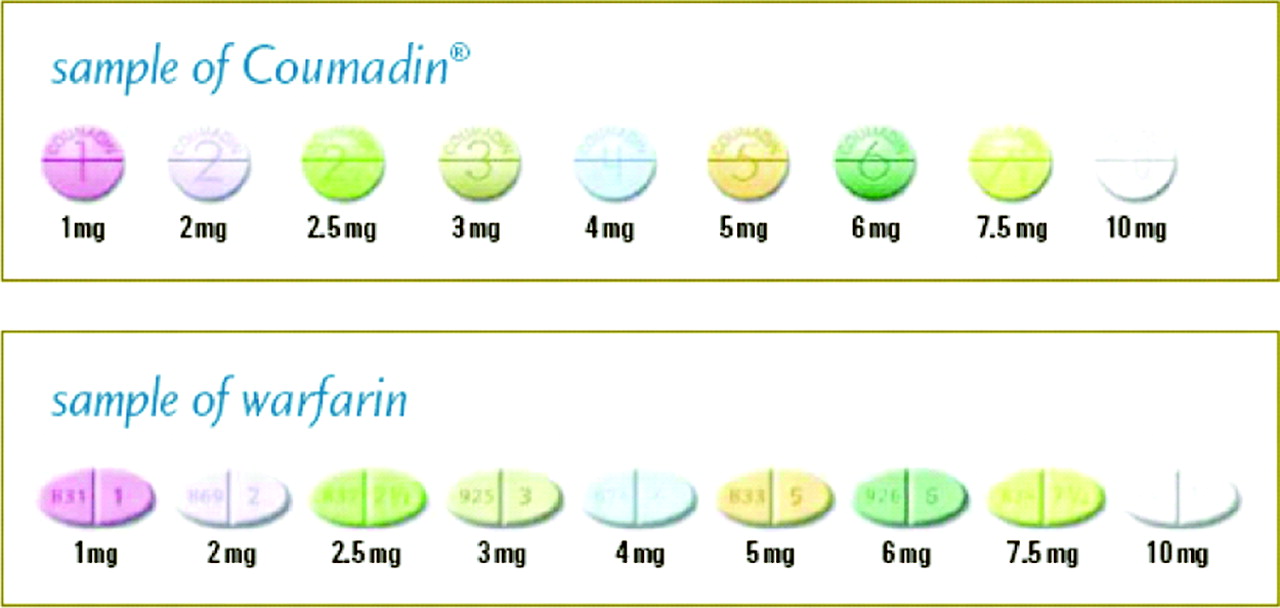
Warfarin Brochure - What does your warfarin (coumadin®) look like? Coumadin®/ warfarin is a medicine that will keep your blood from clotting. Warfarin is a type of medicine known as an anticoagulant. Warfarin does not break up existing blood. It is commonly called a ‘blood thinner’. Warfarin (coumadin©) is an anticoagulant (blood thinner) that will slow down blood clotting to an extent that prevents abnormal blood clots from developing or worsening. Always take your warfarin pills exactly as directed. Warfarin is an anticoagulant or blood thinner. • for patients with an unprovoked dvt or pe, treatment with warfarin is recommended for at least 3 months. • blood clots in your legs and lungs •. Warfarin causes the blood to take longer to form a clot. Warfarin reduces the body’s ability to make blood clots. The drug is an anticoagulant. It is used to prevent blood clots from forming. Your doctor may tell you to take warfarin if there is concern your blood may make dangerous clots. Important information about taking the drug warfarin 1. • blood clots in your legs and lungs •. Why am i taking warfarin? What is warfarin and how do i take it? Why do i have to take warfarin? Warfarin is an anticoagulant or blood thinner. “anti” means against and “coagulant” means to thicken into a gel or solid. Warfarin is an anticoagulant medicine used to treat and prevent blood clots. It is used to prevent blood clots from forming. The daily dose you are told to take can change often! Blood clots can cause serious. Personalized health care report 2008: “anti” means against and “coagulant” means to thicken into a gel or solid. Warfarin reduces the body’s ability to make blood clots. Clots can get stuck in your blood vessels and cause medical problems. Warfarin is a medicine that is sometimes called an “anticoagulant” or “blood thinner.” however, warfarin does not thin the blood. Warfarin decreases the body’s ability to form blood clots by blocking the activation of vitamin k to its active form; • the dose of warfarin is determined separately for every patient. Warfarin is an anticoagulant medicine used to treat and. Warfarin is an anticoagulant medicine used to treat and prevent blood clots. Warfarin is a medicine that is sometimes called an “anticoagulant” or “blood thinner.” however, warfarin does not thin the blood. Clots can get stuck in your blood vessels and cause medical problems. What is warfarin and how do i take it? Why am i taking warfarin? It is commonly called a ‘blood thinner’. Coumadin®/warfarin is a medicine that helps prevent blood clots. Warfarin causes the blood to take longer to form a clot. Why you need to take warfarin? Vitamin k is essential to the formation of blood clots and is needed to prevent. Your body forms blood clots to help you stop bleeding. Coumadin®/ warfarin is a medicine that will keep your blood from clotting. What does “inr” mean and what does it have to do with warfarin? Coumadin and jantoven are brand names for warfarin. You might have to take a. You might have to take a. Why you need to take warfarin? Coumadin®/warfarin is a medicine that helps prevent blood clots. It may help stop harmful clots from forming and keep existing clots from getting larger. Warfarin is a medicine that is sometimes called an “anticoagulant” or “blood thinner.” however, warfarin does not thin the blood. Coumadin®/ warfarin is a medicine that will keep your blood from clotting. What does your warfarin (coumadin®) look like? Warfarin causes the blood to take longer to form a clot. • blood clots in your legs and lungs •. You might have to take a. Your body forms blood clots to help you stop bleeding. Warfarin (coumadin©) is an anticoagulant (blood thinner) that will slow down blood clotting to an extent that prevents abnormal blood clots from developing or worsening. What is warfarin and how do i take it? It is commonly called a ‘blood thinner’. Why you need to take warfarin? Your doctor may tell you to take warfarin if there is concern your blood may make dangerous clots. Warfarin does not break up existing blood. Important information about taking the drug warfarin 1. It is commonly called a ‘blood thinner’. Warfarin reduces the body’s ability to make blood clots. • blood clots in your legs and lungs •. Sometimes your body may make a blood clot that. Blood clots can be dangerous if they travel around the body and lodge elsewhere, such as the lungs or brain (where they can cause. What warfarin is and what it does for you warfarin is an anticoagulation medication that helps prevent the formation of blood clots. Vitamin k is essential to the formation of blood clots and is needed to prevent. Warfarin causes the blood to take longer to form a clot. • for patients with an unprovoked dvt or pe, treatment with warfarin is recommended for at least 3 months. Why you need to take warfarin? It is used to prevent blood clots from forming. It is commonly called a ‘blood thinner’. • to prevent blood clots if you are at. Clots can get stuck in your blood vessels and cause medical problems. Your doctor may tell you to take warfarin if there is concern your blood may make dangerous clots. Warfarin is a medicine that is sometimes called an “anticoagulant” or “blood thinner.” however, warfarin does not thin the blood. It may help stop harmful clots from forming and keep existing clots from getting larger. You might have to take a.
Warfarin Basicmedical Key

(PDF) Warfarin brochure GBL CRS Academia.edu
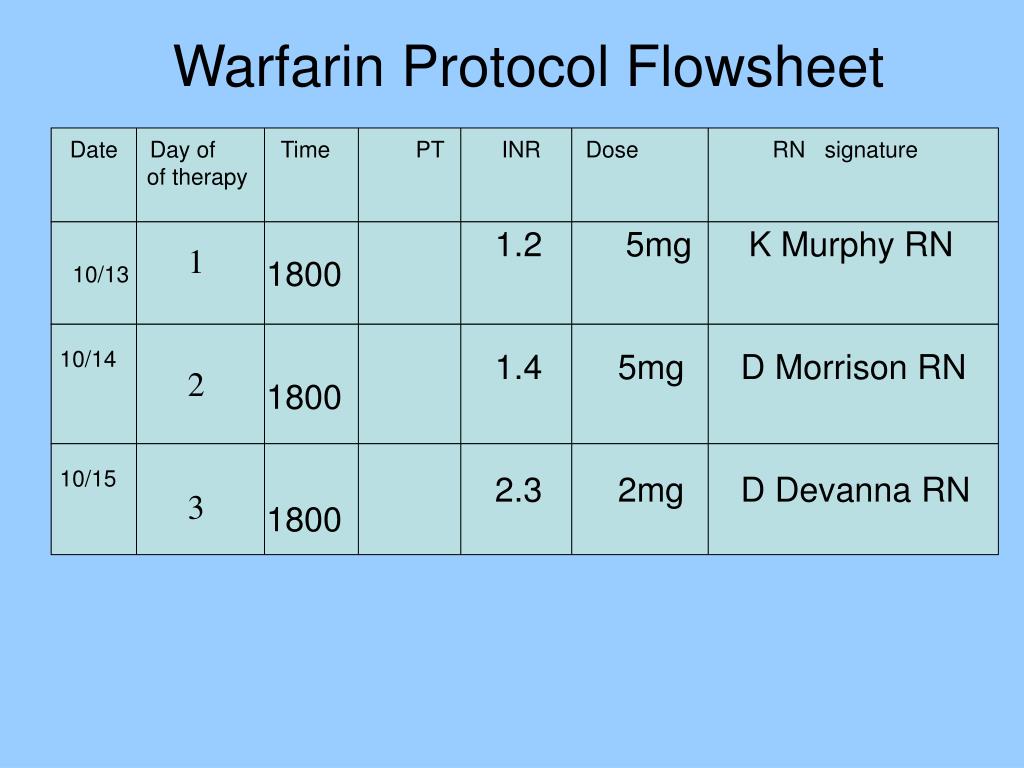
PPT Coumadin/Warfarin PowerPoint Presentation, free download ID3425258

Warfarin Patient Education Booklet

Warfarin Therapy Brochure (pdf)

Warfarin FDA prescribing information, side effects and uses
A Patient's Guide to Taking Warfarin American Heart Association
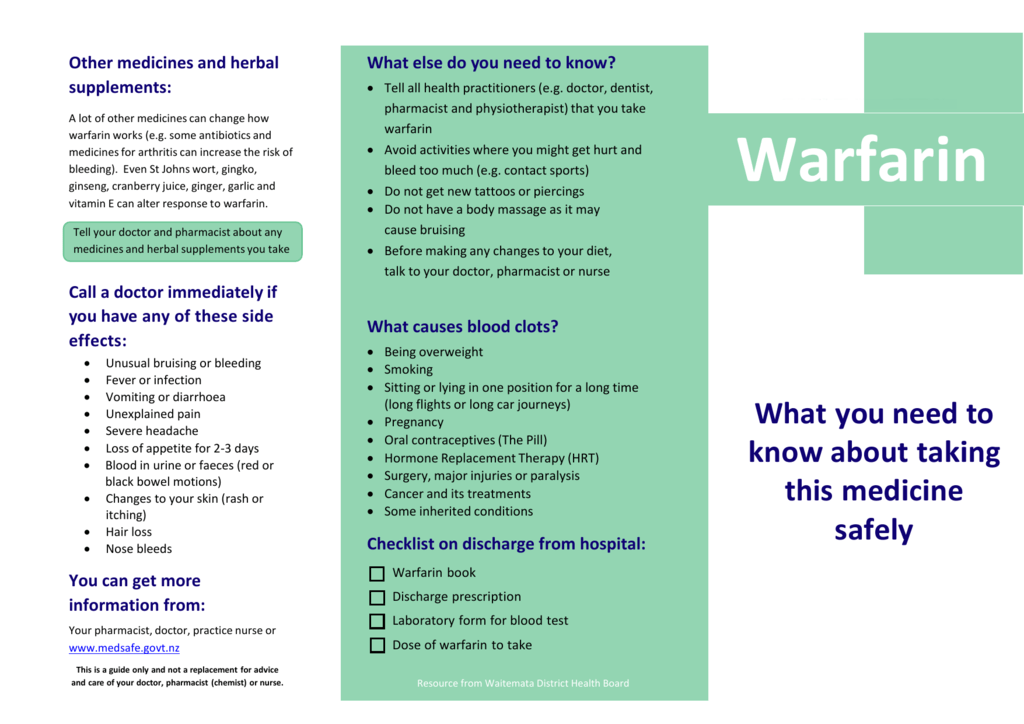
Warfarin Information Brochure

Heparinwarfarinsimplenursing compress BS Accountancy Studocu
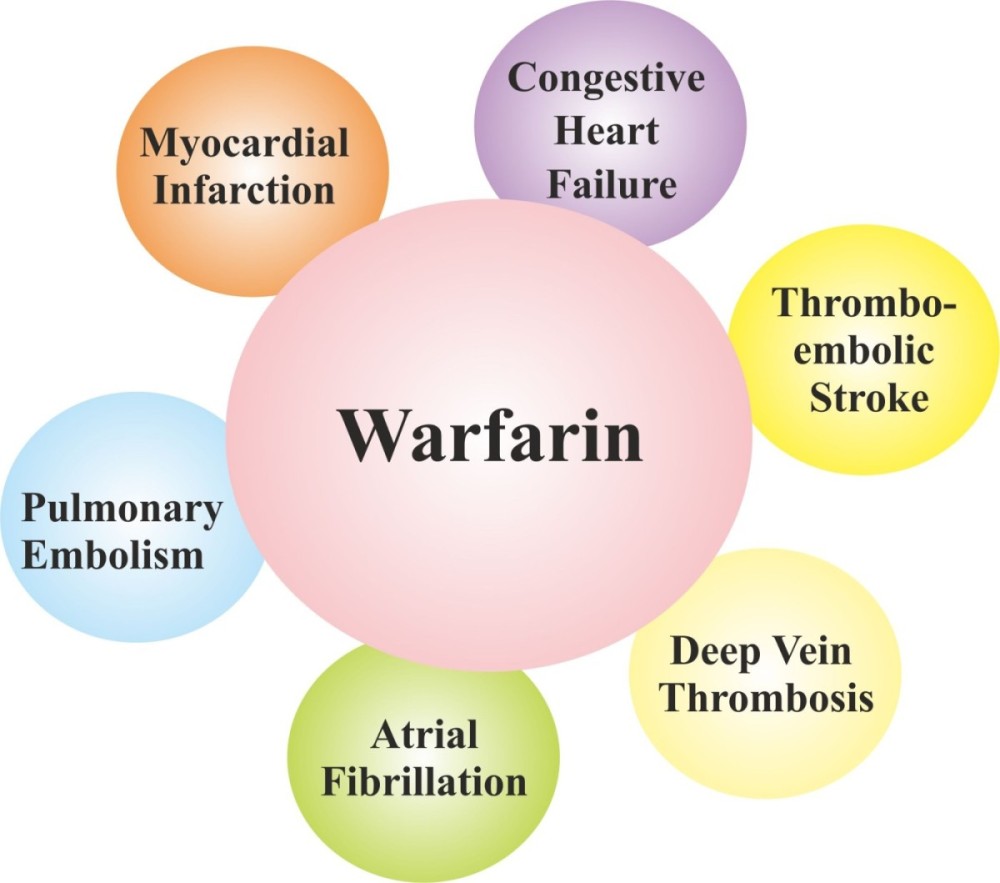
Warfarin Drug Details
An Anticoagulant Decreases The Body’s Ability To Form Blood Clots.
Warfarin Decreases The Body’s Ability To Form Blood Clots By Blocking The Activation Of Vitamin K To Its Active Form;
The Daily Dose You Are Told To Take Can Change Often!
Warfarin Does Not Break Up Existing Blood.
Related Post: