
Testicular Cancer Brochure
Testicular Cancer Brochure - The american cancer society offers patient education flyers, brochures,. Testicular cancer starts in the testicles. In fact, though testicular cancer only accounts for 1 percent of. However, with early diagnosis, this cancer can be treated and even cured. Testicular cancer is a relatively rare malignancy, but it holds a unique position in oncology due to its high curability and increasing incidence in young men. It is for anyone who has been diagnosed with testicular cancer. Testicular cancer is the most common cancer in men aged between 15 and 45. A better understanding may give you a feeling of control and. Testicular cancer can develop at any age, but the average age at diagnosis is 33. Perfect for medical offices, schools, health fairs, and events. You can also find free material downloads at cancer.org. • a small, painless lump on the testicle, • a change in the way the testicle feels, • heaviness in the scrotum, or • a painful or enlarged testicle. Testicular cancer develops when abnormal cells begin to grow uncontrollably in one or both testicles — which are responsible for producing sperm and the hormone. It is common to feel shocked and upset when told you have testicular cancer. A better understanding may give you a feeling of control and. It’s always a shock to learn cancer has grown in the testis, especially at a young age. Testicular cancer happens when cells in the testicle grow to form a tumor. The american cancer society offers patient education flyers, brochures,. It is for anyone who has been diagnosed with testicular cancer. While testicular cancer can affect a boy or man at any age (from newborn to elderly), it’s most often found in men between the ages 15 to 44 years old. Testicular cancer starts in the testicles. Testicular cancer is a cancer that forms in the cells of the testicles. Testicular cancer develops when abnormal cells begin to grow uncontrollably in one or both testicles — which are responsible for producing sperm and the hormone. Testicular cancer is a relatively rare malignancy, but it holds a unique position in oncology due. Testicular cancer is a relatively rare malignancy, but it holds a unique position in oncology due to its high curability and increasing incidence in young men. There is also information for carers, family members and friends. Testicular cancer can develop at any age, but the average age at diagnosis is 33. Testicular cancer is the most common cancer in men. Testicular cancer is the most common cancer in men aged between 15 and 45. There is also information for carers, family members and friends. Testicular cancer starts in the testicles. However, with early diagnosis, this cancer can be treated and even cured. It’s always a shock to learn cancer. The size of the testicles should be roughly. It’s vital not to wait. Testicular cancer starts in the testicles. You can also find free material downloads at cancer.org. The introductory information in this brochure can help you and your family take the first steps in learning about testicular cancer. More than 90 percent of testicular cancers begin in the germ cells, which. We hope this booklet will help you, your family and friends understand how testicular cancer is. Testicular cancer is the most common cancer in men aged between 15 and 45. This booklet is about testicular cancer. It’s always a shock to learn cancer. It is common to feel shocked and upset when told you have testicular cancer. Testicular cancer develops when abnormal cells begin to grow uncontrollably in one or both testicles — which are responsible for producing sperm and the hormone. Testicular cancer is a relatively rare malignancy, but it holds a unique position in oncology due to its high curability and. Testicular cancer happens when cells in the testicle grow to form a tumor. Testicular cancer can develop at any age, but the average age at diagnosis is 33. The american cancer society offers patient education flyers, brochures,. • a small, painless lump on the testicle, • a change in the way the testicle feels, • heaviness in the scrotum, or. The most common signs of testicular cancer are pain, swelling, or a lump/hardness in the testicle. People with cancer and their caregivers need information to make informed decisions about their treatment and care. More than 90 percent of testicular cancers begin in the germ cells, which. Testicular cancer is not common, but its incidence has been increasing for several decades.. Testicular cancer starts in the testicles. It’s always a shock to learn cancer. Testicular cancer is not common, but its incidence has been increasing for several decades. The size of the testicles should be roughly. Testicular cancer is a disease in which cancer cells form in the tissues of one or both testicles. It is for anyone who has been diagnosed with testicular cancer. People with cancer and their caregivers need information to make informed decisions about their treatment and care. You can also find free material downloads at cancer.org. If you find a lump in a testicle, see your healthcare provider immediately. Testicular cancer happens when cells in the testicle grow to. Testicular cancer is a cancer that forms in the cells of the testicles. The most common signs of testicular cancer are pain, swelling, or a lump/hardness in the testicle. The introductory information in this brochure can help you and your family take the first steps in learning about testicular cancer. Testicular cancer starts in the testicles. Testicular cancer is a disease in which cancer cells form in the tissues of one or both testicles. However, it is a rare cancer and accounts for only about 1% of all cancers in men. A better understanding may give you a feeling of control and. It is common to feel shocked and upset when told you have testicular cancer. This booklet is about testicular cancer. Testicular cancer can develop at any age, but the average age at diagnosis is 33. Testicular cancer develops when abnormal cells begin to grow uncontrollably in one or both testicles — which are responsible for producing sperm and the hormone. We hope this booklet will help you, your family and friends understand how testicular cancer is. They cover a variety of topics including prevention and early detection, treatment, side effects, and survivorship. • a small, painless lump on the testicle, • a change in the way the testicle feels, • heaviness in the scrotum, or • a painful or enlarged testicle. More than 90 percent of testicular cancers begin in the germ cells, which. Testicular cancer is the most common cancer in men aged between 15 and 45.
Testicular Cancer Awareness Month Diagnostic BioSystems Advanced

My Journey with Cancer About Testicular Cancer
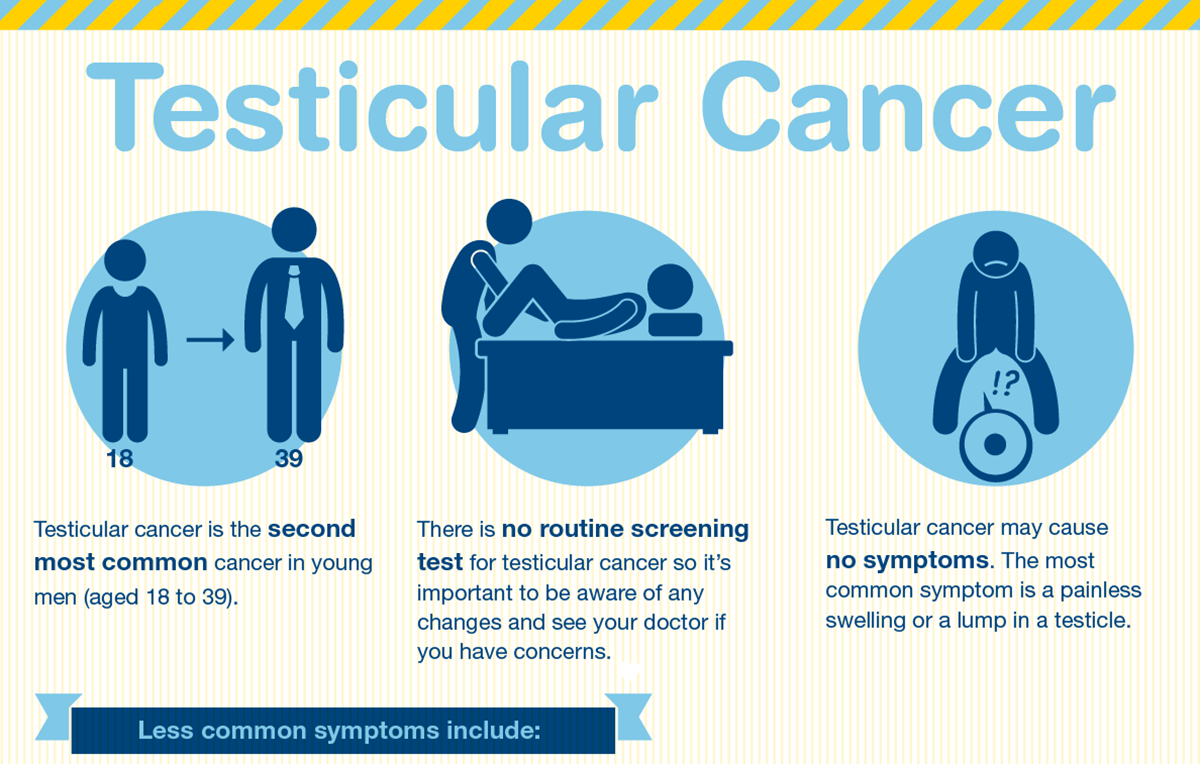
Testicular cancer what are the symptoms? Cancer Council NSW
Testicular cancer brochure Stock Vector Adobe Stock
.jpg)
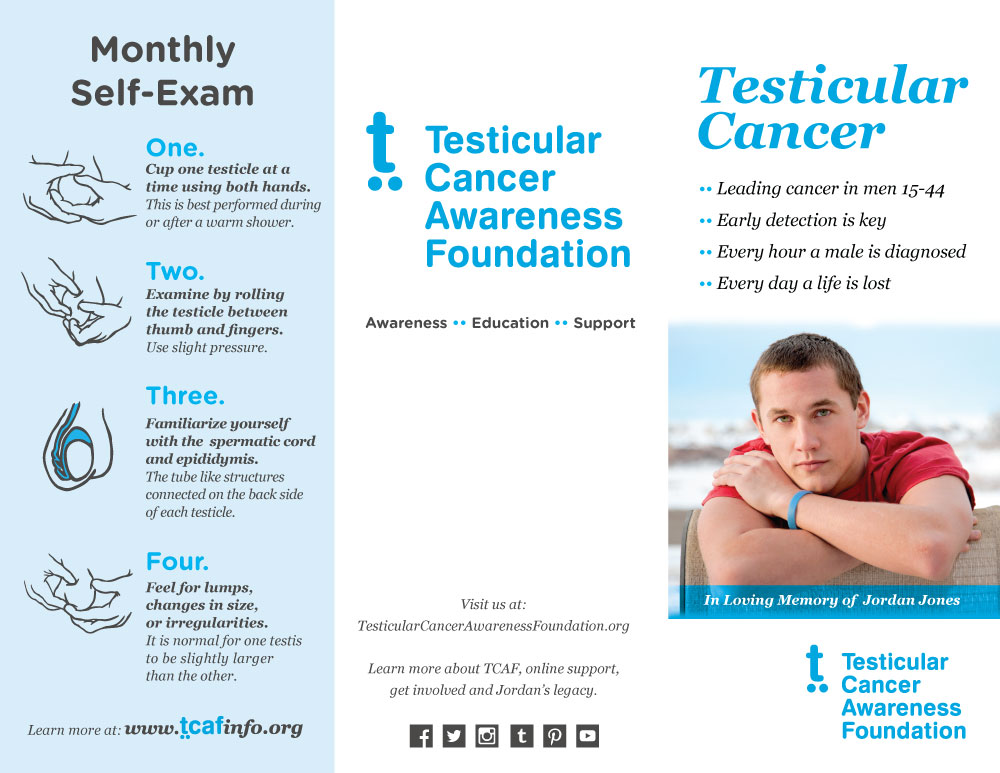
English Testicular Cancer Brochures — TCAF
Testicular cancer brochure stock vector. Illustration of card 111155851

Resources Testicular Cancer NZ
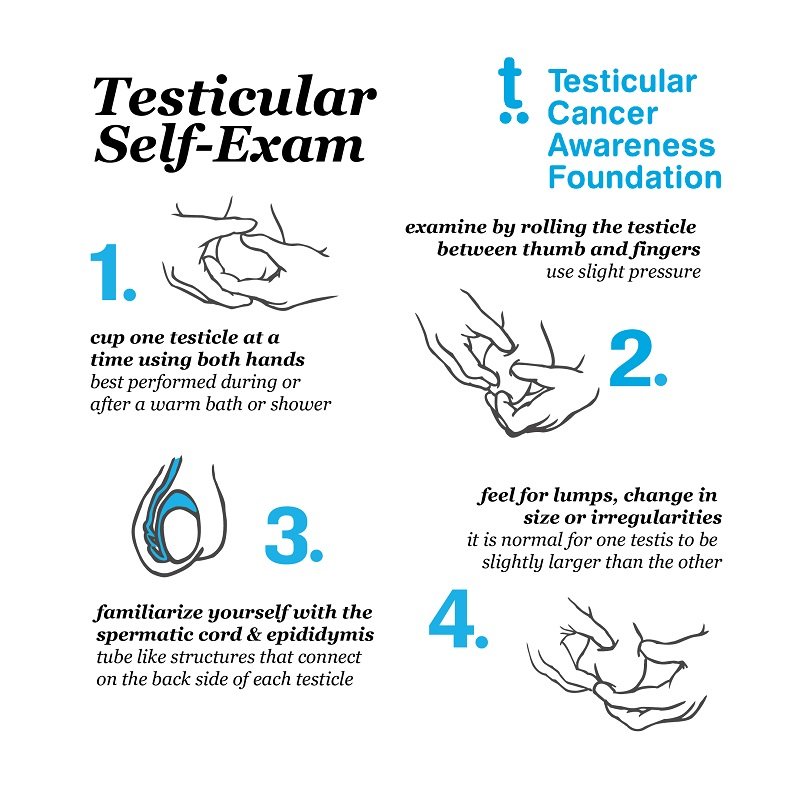
Testicular Cancer Awareness Month — Testicular Cancer Awareness Foundation
Testicular Cancer Brochure PDF Cancer Public Health
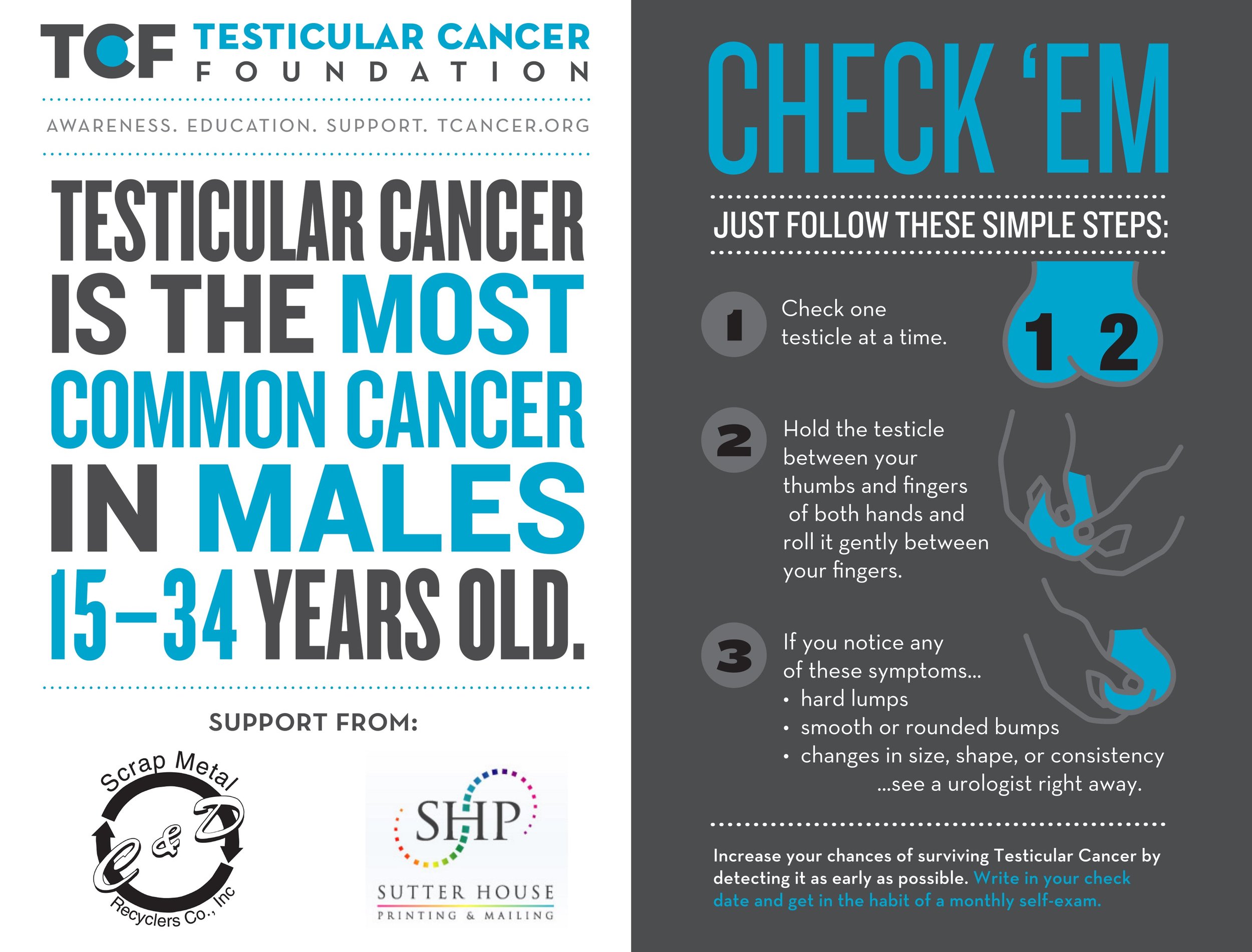
Testicular Cancer Foundation Store — Testicular Cancer Foundation
The Size Of The Testicles Should Be Roughly.
However, With Early Diagnosis, This Cancer Can Be Treated And Even Cured.
There Is Also Information For Carers, Family Members And Friends.
Perfect For Medical Offices, Schools, Health Fairs, And Events.
Related Post:
