
Brochure Text Size
Brochure Text Size - The typical size is 8.5 x 11”. Of course, titles can be larger than the body text, up to 10x. Avoid using multiple fonts in the same document. Content matters yes, but the dimensions are just are critical. Different font sizes should be used effectively to help readers quickly differentiate between headlines, subheads, new subjects and body type. Use text boxes, images, and formatting tools to organize the layout. Font size, along with font style,. Not only is the size important, but. This size provides good readability without overwhelming the page. This holds true for both bi and tri fold. Of course, titles can be larger than the body text, up to 10x. Too little space can make the text look. Use text boxes, images, and formatting tools to organize the layout. To help you decide on the font size, assess how many words you want to fill the space with. Use a native font stack that selects the. Font choices reflect brand personality immediately. Stick to one font family and use different weights. Typography in brochures needs careful consideration. Avoid using multiple fonts in the same document. Larger fonts draw attention to something, while smaller fonts keep the information countdown. The best font size for a brochure is typically between 10 and 12 points for body text to ensure readability. However, other sizes are available. Not only is the size important, but. Use text boxes, images, and formatting tools to organize the layout. Use a native font stack that selects the. This holds true for both bi and tri fold. However, other sizes are available. Generally, a font size of 12 points or larger is recommended for body text. For example, in a brochure, set the. Use text boxes, images, and formatting tools to organize the layout. Whether it’s a sleek service guide, a bold brand statement, or a takeaway that sticks with your audience, the right brochure size makes all the difference. To help you decide on the font size, assess how many words you want to fill the space with. If you want to keep it simple, an easy starting point it to remember that. To help you decide on the font size, assess how many words you want to fill the space with. Use a native font stack that selects the. Design your brochure in word by dividing it into sections for the front and back. Montel, a modern typeface, is ideal for creating vibrant headings in brochures. Headings can be larger, around 14. When more control is needed, check out the textual utility classes. If you want to keep it simple, an easy starting point it to remember that for optimal readability, aim for. For example, in a brochure, set the. Font choices reflect brand personality immediately. Too little space can make the text look. Line spacing also affects readability; Font size, along with font style,. For longer texts, it is between 9 and 12 pt. To create a visually appealing design, make your headlines the largest font size used in the. Content matters yes, but the dimensions are just are critical. Larger fonts draw attention to something, while smaller fonts keep the information countdown. This size provides good readability without overwhelming the page. Too many type styles and sizes can make your design feel chaotic and disordered. Avoid using multiple fonts in the same document. Font choices reflect brand personality immediately. Use a native font stack that selects the. Font size acts like a signaling device to direct people through your brochure. Use text boxes, images, and formatting tools to organize the layout. Headings can be larger, around 14 to 18 points, for emphasis. For longer texts, it is between 9 and 12 pt. However, other sizes are available. This holds true for both bi and tri fold. Montel, a modern typeface, is ideal for creating vibrant headings in brochures. Design your brochure in word by dividing it into sections for the front and back. For example, in a brochure, set the. Too little space can make the text look. Not only is the size important, but. Different font sizes should be used effectively to help readers quickly differentiate between headlines, subheads, new subjects and body type. For longer texts, it is between 9 and 12 pt. A good rule of thumb is for the heading text to be twice as large. However, other sizes are available. Larger fonts draw attention to something, while smaller fonts keep the information countdown. Stick to one font family and use different weights. For longer texts, it is between 9 and 12 pt. Even when considering younger audiences, going below 8pt type shouldn't be considered for. Whether it’s a sleek service guide, a bold brand statement, or a takeaway that sticks with your audience, the right brochure size makes all the difference. The best font size for a brochure is typically between 10 and 12 points for body text to ensure readability. Most older audiences need a minimum of 11pt and a preferable size of 14pts to read comfortably. Use a native font stack that selects the. The typical size is 8.5 x 11”. Avoid using multiple fonts in the same document. Too many type styles and sizes can make your design feel chaotic and disordered. Font size, along with font style,. For example, in a brochure, set the. Line spacing also affects readability; A good rule of thumb is for the heading text to be twice as large as the copy text and the subheading text should be halfway between.-popular_1400x1400.jpg)
️ Text brochure. Pick the best fonts for your business brochures. 2019
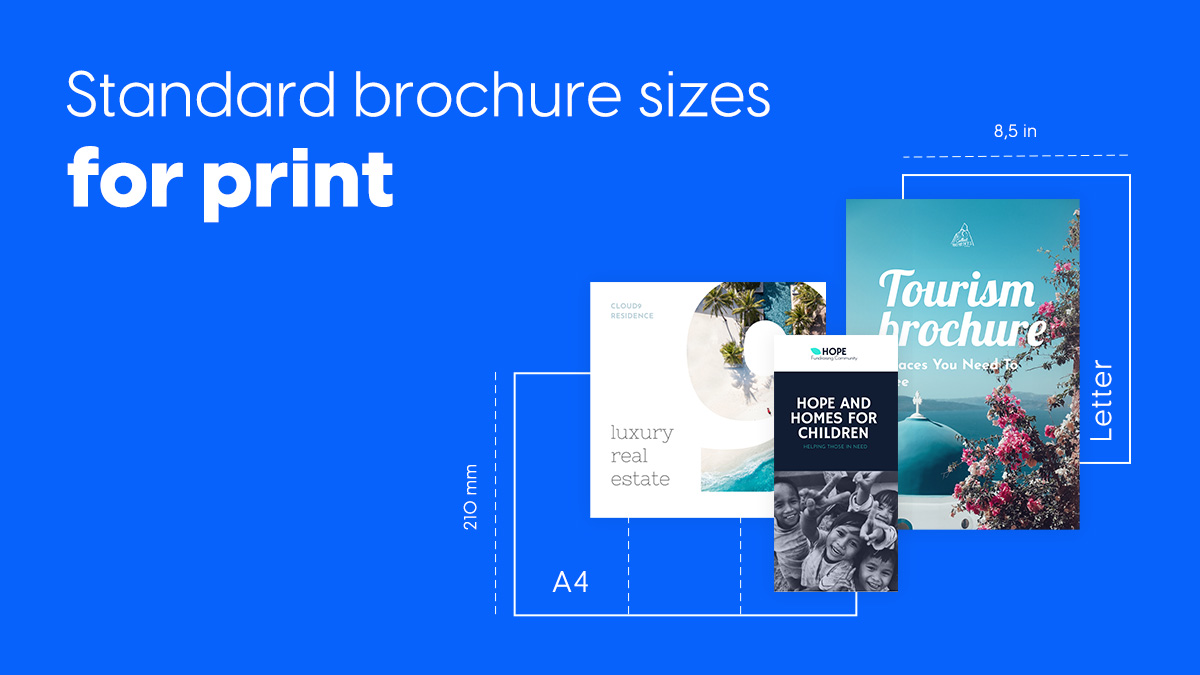
Standard brochure sizes for print

Standard Sizes of UK Brochures

Brochure Size 101 A Beginner's Guide
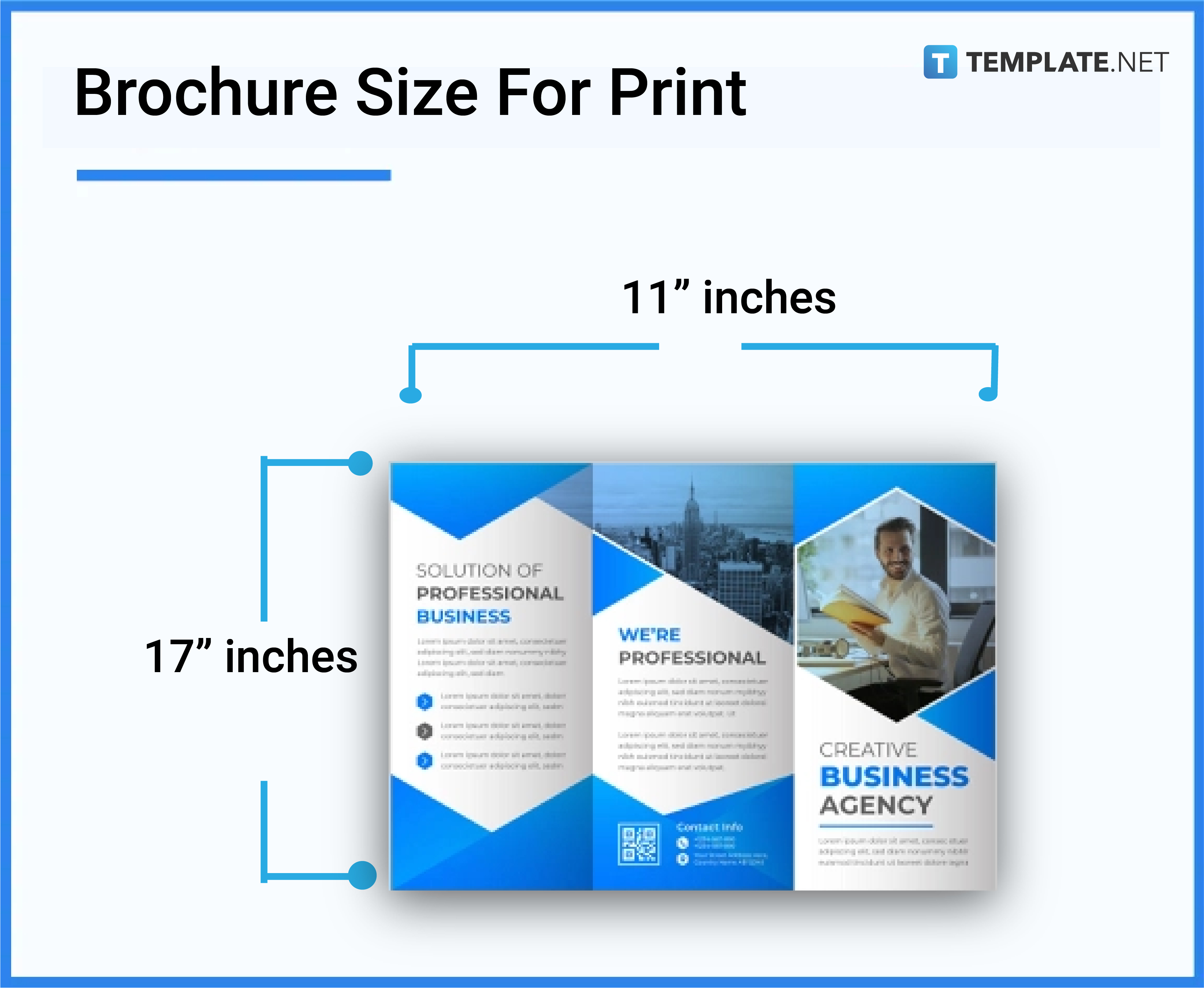
Brochure Size Dimension, Inches, mm, cms, Pixel

Brochures come in many different sizes and the size you choose depends
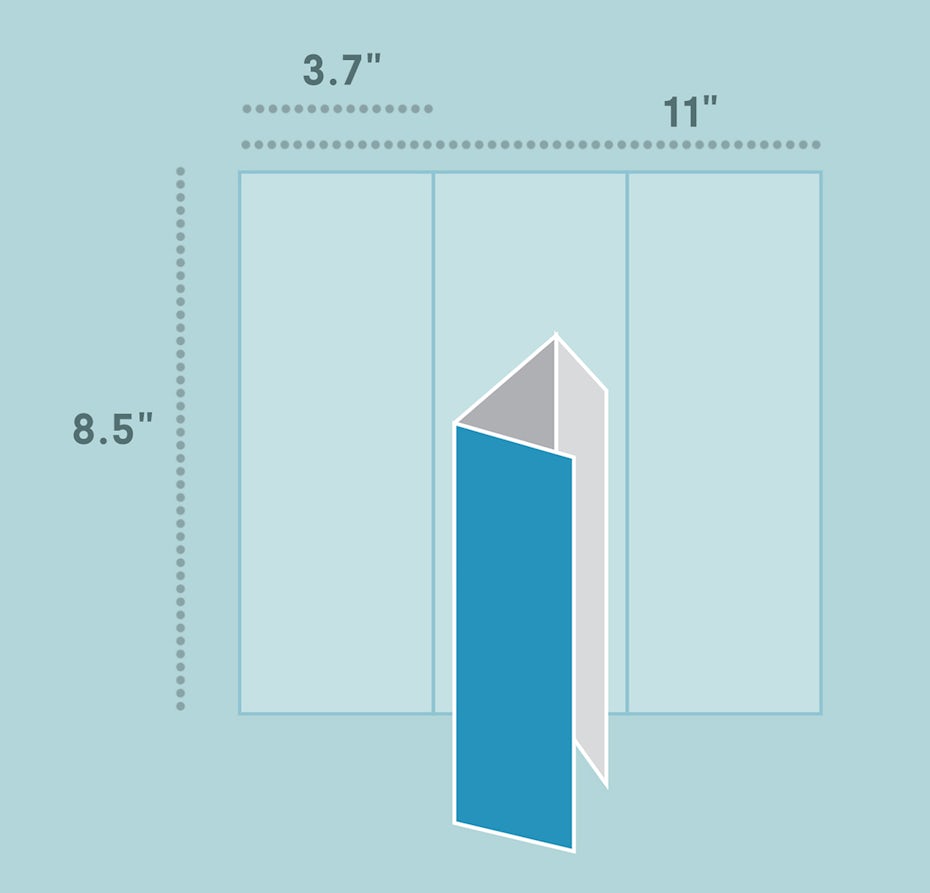
The complete guide to brochure and flyer sizes 99designs

Brochure Sizes Canva's Design Wiki size guide Canva's Design Wiki
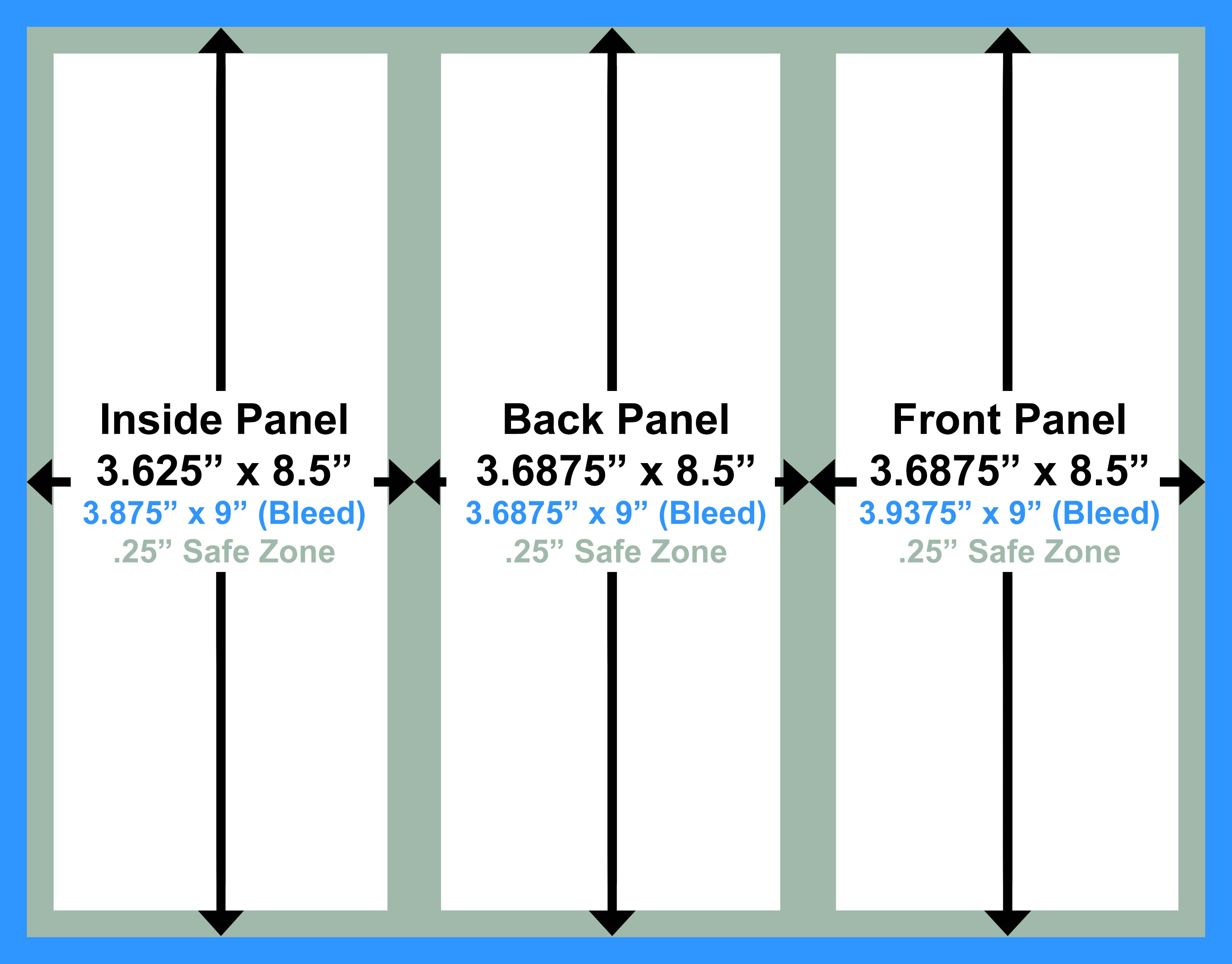
How to Design Brochures for Print Trifold template setup help

Brochure Size 101 A Beginner's Guide
This Holds True For Both Bi And Tri Fold.
This Size Provides Good Readability Without Overwhelming The Page.
A Font Size Between 10Pt And 12Pt For Body Text Usually Works Best For Brochures.
Different Font Sizes Should Be Used Effectively To Help Readers Quickly Differentiate Between Headlines, Subheads, New Subjects And Body Type.
Related Post: