
Brochure Gsm
Brochure Gsm - We've simplified the process for you, distilling it down to four key factors to consider when creating your own brochure. Learn which paper weight to choose and whether a gloss, matte or uncoated paper is the best choice. Whether you need glossy paper, matte paper, or simply an uncoated sheet with a high gsm, banana print can help you create the perfect brochure or leaflet. Common weights for brochures include: Whether you’re printing a batch of flyers to promote an upcoming event or creating a brochure to showcase your range of products, the type of paper you choose matters. According to our 30 years and counting of professional experience in the offset printing industry, we know that most brochures work best when printed on paper no lighter. Paper weight is measured in gsm (grams per square meter), which determines the thickness. Trusted by 10m customersplaceit by envatono design skills needed Everything you need to know to choose paper for your printed brochure. Paper weight is a measure of the density and thickness of. The abbreviated term allows print buyers and suppliers to have. Common weights for brochures include: Paper weight, often measured in gsm (grams per square meter), determines the thickness and sturdiness of the paper. Everything you need to know to choose paper for your printed brochure. Gsm stands for “grams per square metre” and measures the thickness and quality of the paper. The approximate weight of a publication can be determined based on the. Understanding paper weight is crucial when choosing the right stock for your printing needs. The perfect weight for brochures and presentations. In a nutshell, the acronym ‘gsm’ pertains to grams per square metre; A measurement given to a type of paper and its mass. The abbreviated term allows print buyers and suppliers to have. Understanding paper weight is crucial when choosing the right stock for your printing needs. In a nutshell, the acronym ‘gsm’ pertains to grams per square metre; Paper weight is measured in gsm (grams per square meter), which determines the thickness. Learn which paper weight to choose and whether a gloss,. Paper weight is a measure of the density and thickness of. Paper weight is measured in gsm (grams per square meter), which determines the thickness. Whether you’re printing a batch of flyers to promote an upcoming event or creating a brochure to showcase your range of products, the type of paper you choose matters. Understanding paper weight is crucial when. To calculate brochure weight, enter the document size, quantity, paper weight, and number of pages. The approximate weight of a publication can be determined based on the. Paper weight is measured in gsm (grams per square meter), which determines the thickness. “gsm” is an acronym for “grams per square meter”, a metric in print that specifies the quality of the. Paper weight is a measure of the density and thickness of. Understanding paper weight is crucial when choosing the right stock for your printing needs. The abbreviated term allows print buyers and suppliers to have. The approximate weight of a publication can be determined based on the. Paper weight, often measured in gsm (grams per square meter), determines the thickness. According to our 30 years and counting of professional experience in the offset printing industry, we know that most brochures work best when printed on paper no lighter. Paper weight, often measured in gsm (grams per square meter), determines the thickness and sturdiness of the paper. Whether you need glossy paper, matte paper, or simply an uncoated sheet with a. According to our 30 years and counting of professional experience in the offset printing industry, we know that most brochures work best when printed on paper no lighter. The perfect weight for brochures and presentations. Common weights for brochures include: A measurement given to a type of paper and its mass. Everything you need to know to choose paper for. Paper weight, often measured in gsm (grams per square meter), determines the thickness and sturdiness of the paper. Gsm stands for “grams per square metre” and measures the thickness and quality of the paper. Common weights for brochures include: The abbreviated term allows print buyers and suppliers to have. Paper weight is a measure of the density and thickness of. According to our 30 years and counting of professional experience in the offset printing industry, we know that most brochures work best when printed on paper no lighter. Paper weight is a measure of the density and thickness of. Whether you need glossy paper, matte paper, or simply an uncoated sheet with a high gsm, banana print can help you. Common weights for brochures include: The approximate weight of a publication can be determined based on the. Whether you’re printing a batch of flyers to promote an upcoming event or creating a brochure to showcase your range of products, the type of paper you choose matters. Gsm stands for “grams per square metre” and measures the thickness and quality of. Paper weight is measured in gsm (grams per square meter), which determines the thickness. To calculate brochure weight, enter the document size, quantity, paper weight, and number of pages. Whether you need glossy paper, matte paper, or simply an uncoated sheet with a high gsm, banana print can help you create the perfect brochure or leaflet. According to our 30. The lower the associated gsm number, the. Trusted by 10m customersplaceit by envatono design skills needed The approximate weight of a publication can be determined based on the. Everything you need to know to choose paper for your printed brochure. To calculate brochure weight, enter the document size, quantity, paper weight, and number of pages. “gsm” is an acronym for “grams per square meter”, a metric in print that specifies the quality of the paper for a particular print job. A measurement given to a type of paper and its mass. Paper weight is a measure of the density and thickness of. Paper weight is measured in gsm (grams per square meter), which determines the thickness. The perfect weight for brochures and presentations. We've simplified the process for you, distilling it down to four key factors to consider when creating your own brochure. Whether you’re printing a batch of flyers to promote an upcoming event or creating a brochure to showcase your range of products, the type of paper you choose matters. Understanding paper weight is crucial when choosing the right stock for your printing needs. Paper weight, often measured in gsm (grams per square meter), determines the thickness and sturdiness of the paper. Common weights for brochures include: Gsm stands for “grams per square metre” and measures the thickness and quality of the paper.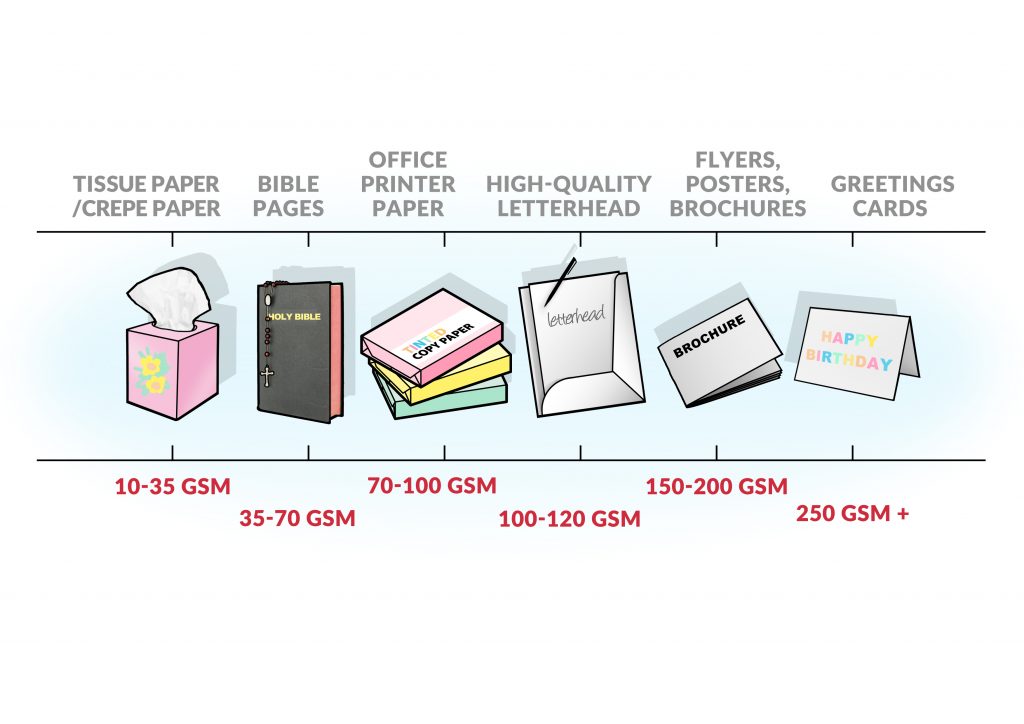
Everything You Need to Know About Printing Paper
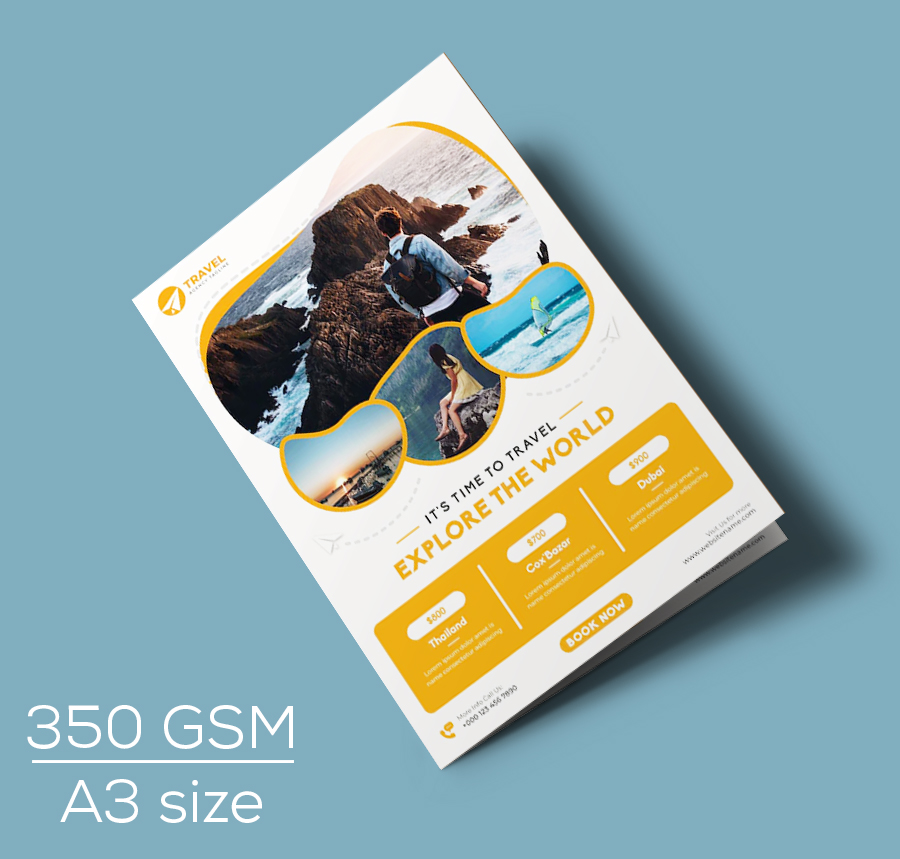
PRINTHUBB2B ordering portal A3Brochures Bifold Products
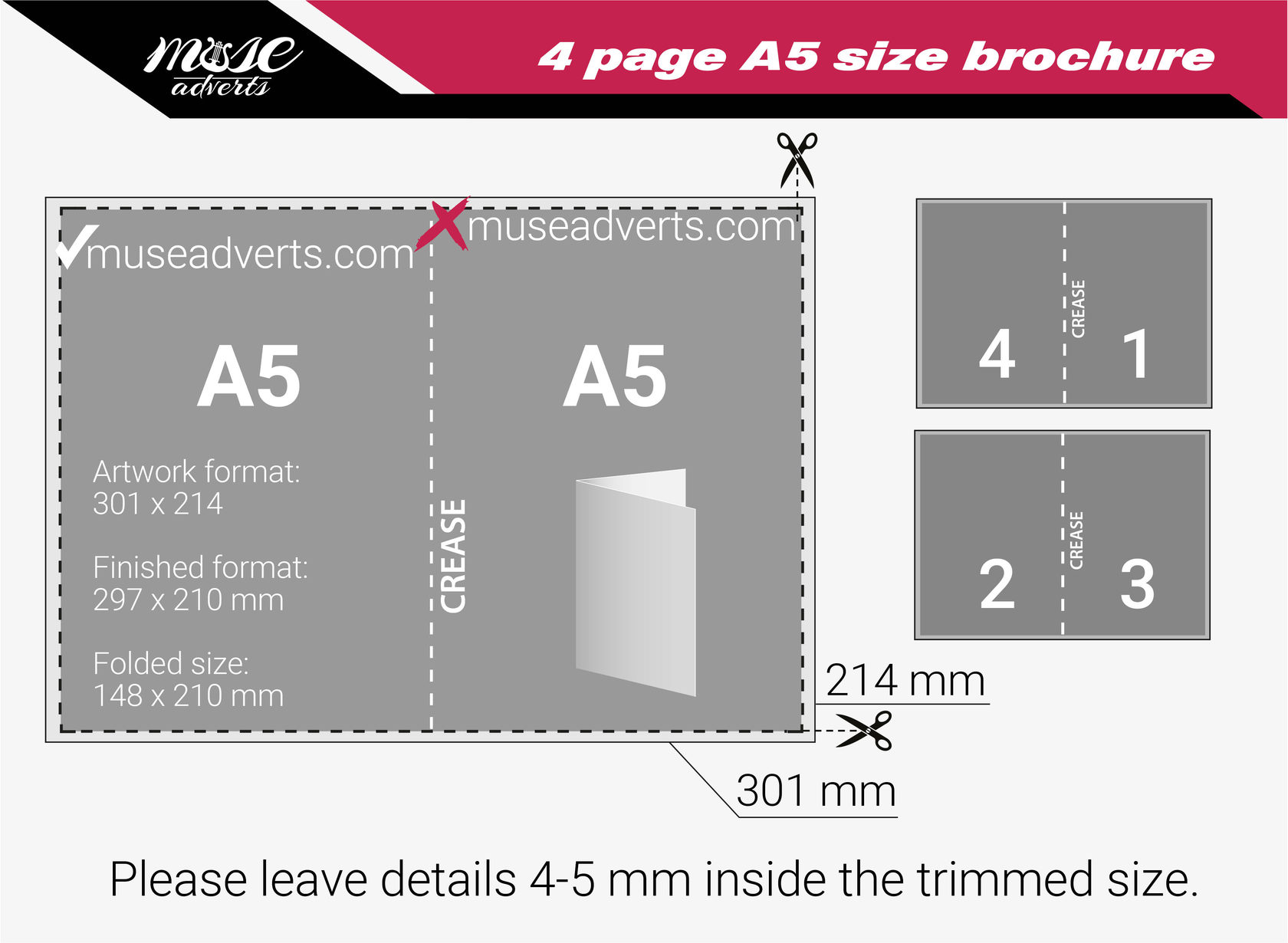
Printing / Brochures / Premium 250 gsm paper
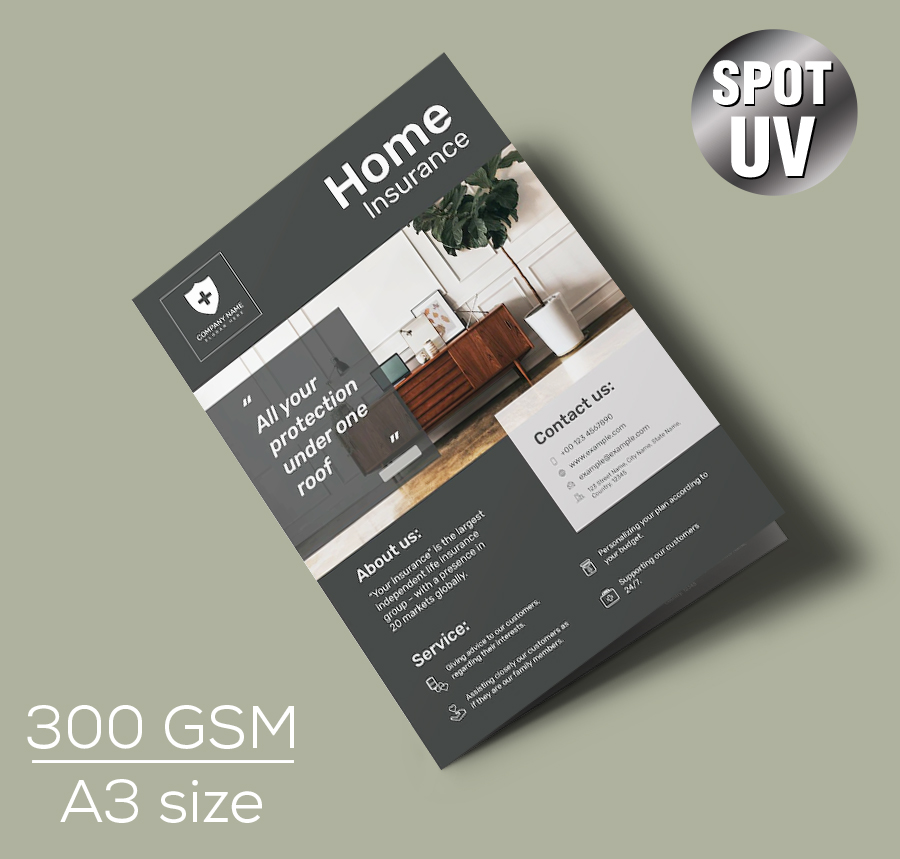
PRINTHUBB2B ordering portal A3Brochures Bifold with SPOT UV Products
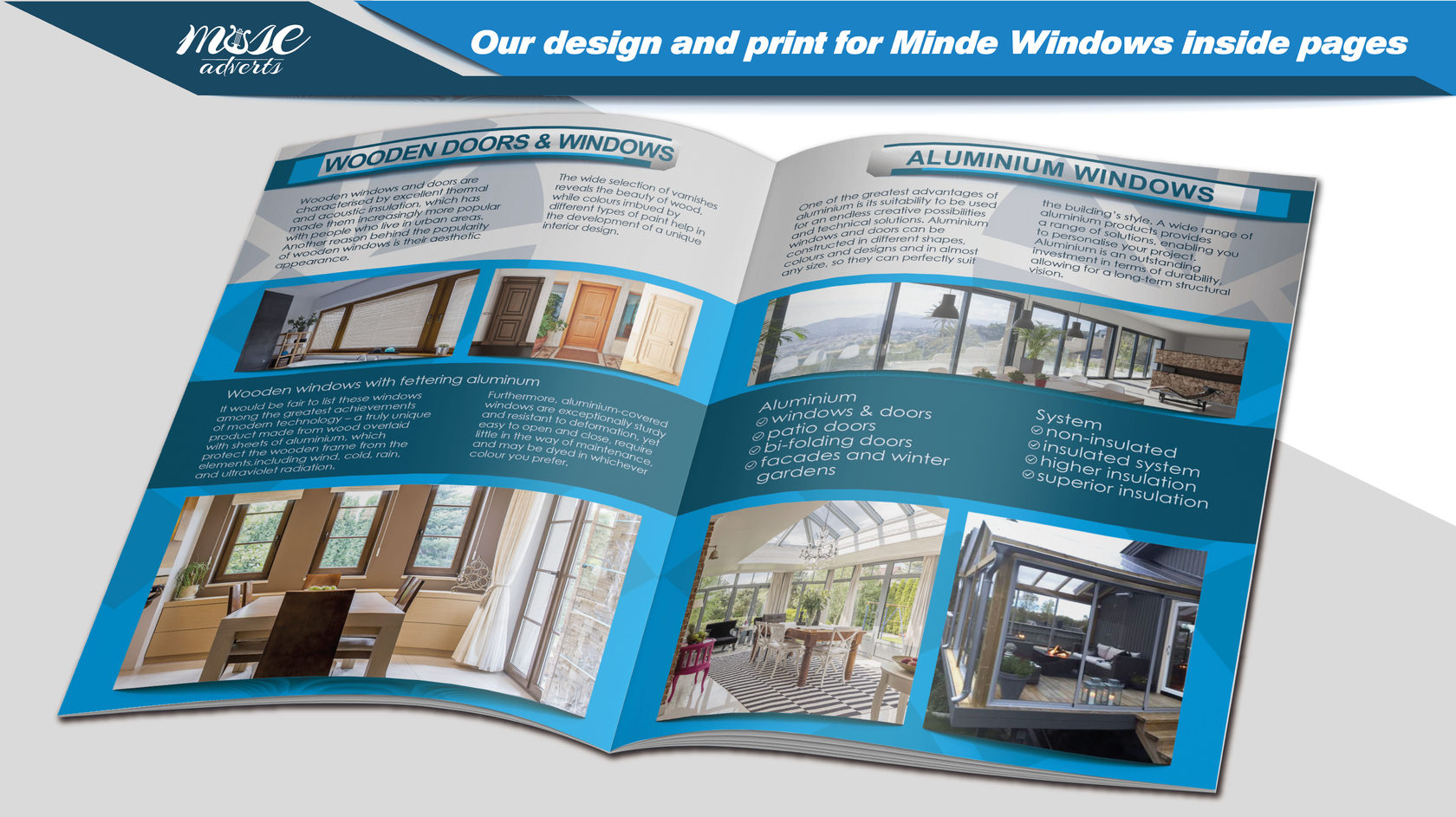
Printing / Brochures / Premium 250 gsm paper
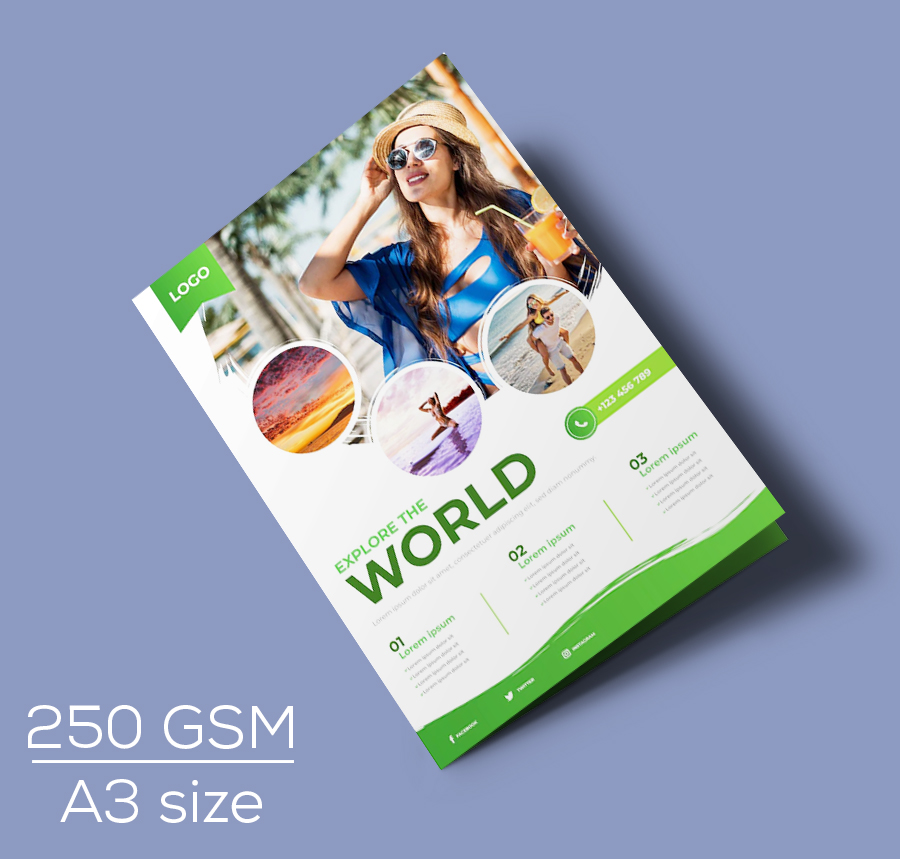
PRINTHUBB2B ordering portal A3Brochures Bifold Products
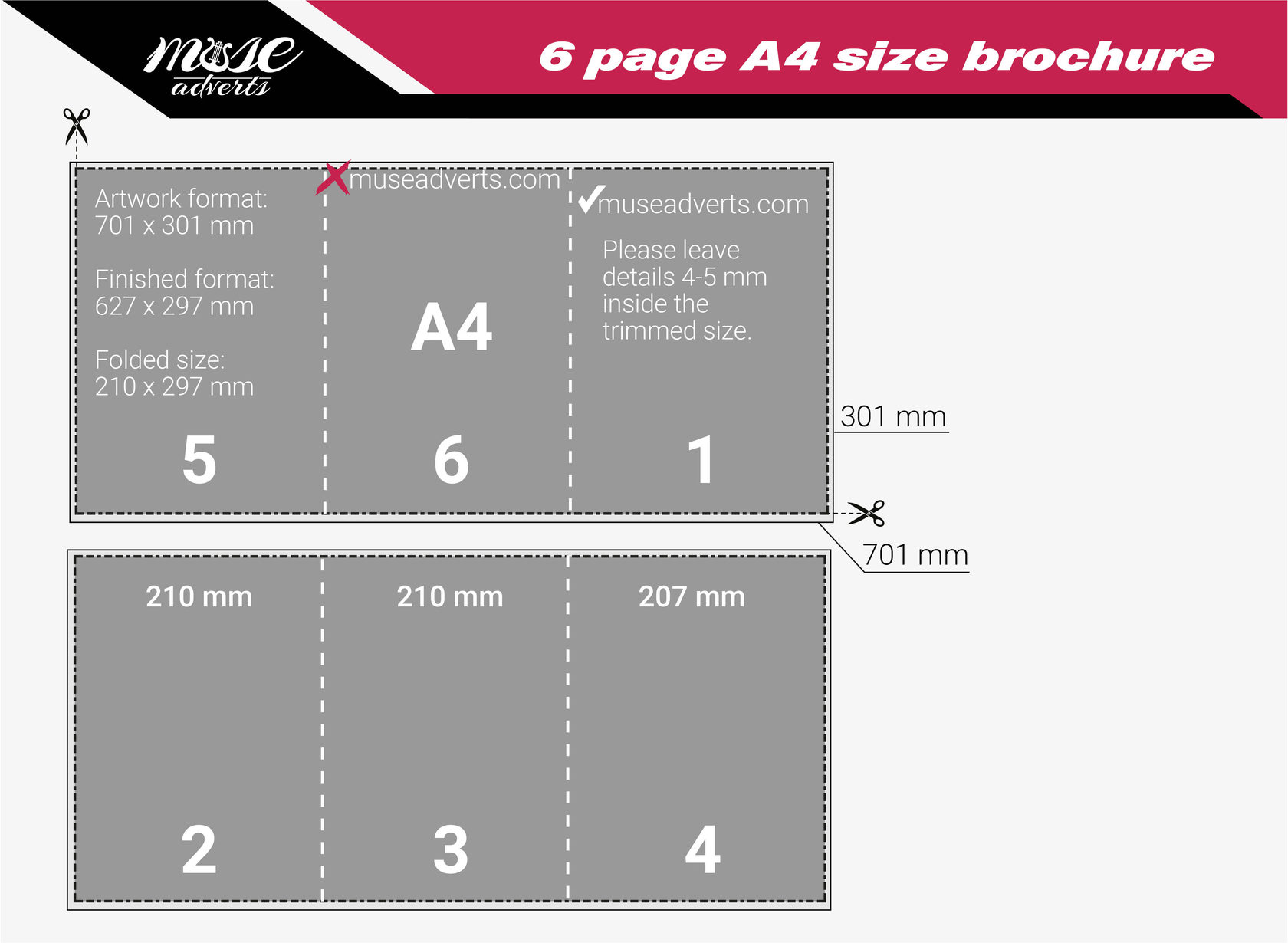
Printing / Brochures / Premium 250 gsm paper
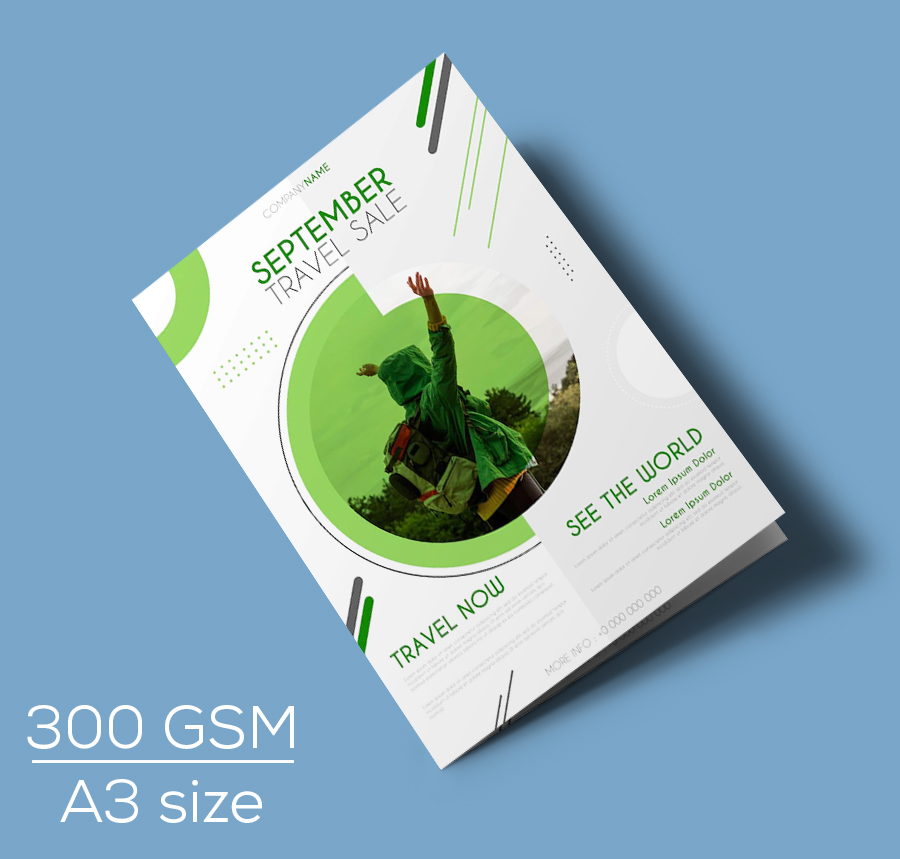
PRINTHUBB2B ordering portal A3Brochures Bifold Products
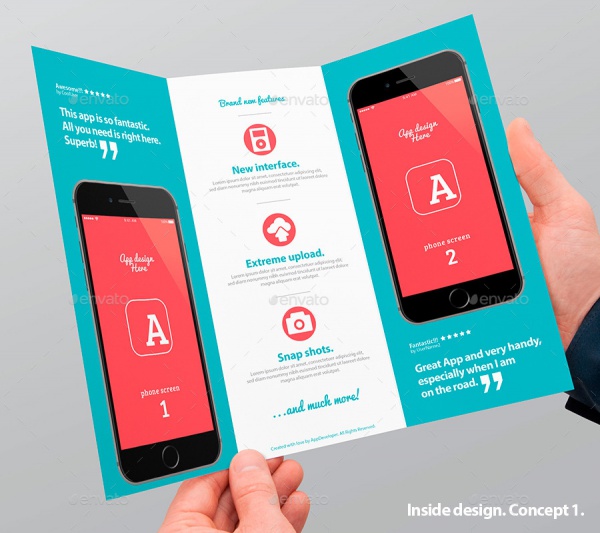
FREE 21+ Mobile Brochures in PSD AI Vector EPS InDesign MS Word

Brochure A4 128gsm Art Paper Printing All Design Solution
Learn Which Paper Weight To Choose And Whether A Gloss, Matte Or Uncoated Paper Is The Best Choice.
Whether You Need Glossy Paper, Matte Paper, Or Simply An Uncoated Sheet With A High Gsm, Banana Print Can Help You Create The Perfect Brochure Or Leaflet.
The Abbreviated Term Allows Print Buyers And Suppliers To Have.
According To Our 30 Years And Counting Of Professional Experience In The Offset Printing Industry, We Know That Most Brochures Work Best When Printed On Paper No Lighter.
Related Post: