
Atherosclerosis Brochure
Atherosclerosis Brochure - Living with and managing coronary artery disease. Atherosclerosis is the condition that causes most heart attacks and strokes. Plaque consists of fat, cholesterol and other substances. Atherosclerosis is a hardening of your arteries from plaque building up gradually inside them. • explain mechanism of action of pharmacotherapies used to reduce risk of atherosclerosis. These deposits are made up of cholesterol, fatty substances, cellular waste products, calcium and. It can lead to a narrowing of the arteries that can significantly reduce the. Atherosclerosis occurs when fats and cholesterol build up in the artery wall. These factors include smoking, high amounts of certain fats and cholesterol in the. Vascular endothelial cells respond to the damage by upregulating. Plaque consists of fat, cholesterol and other substances. This buildup makes the artery stiffer and narrower than normal and blocks the flow of blood and oxygen to the body. What are cholesterol and triglycerides? These factors include smoking, high amounts of certain fats and cholesterol in the. This short illustrated leaflet explains what atherosclerosis is, how it can affect you and what you can do about it. The scripps cardiovascular atherosclerosis conference is designed to assist clinicians in the prevention, diagnosis, treatment, and ongoing management of ascvd among patients in their Every life deserves world class care Plaque buildup, or fatty deposits, in your arteries is called atherosclerosis. Heart disease is one of the leading causes of death in canada and worldwide. It can lead to a narrowing of the arteries that can significantly reduce the. These deposits are made up of cholesterol, fatty substances, cellular waste products, calcium and. The most common form of heart disease is coronary artery disease (cad) caused by atherosclerosis. Plaque buildup, or fatty deposits, in your arteries is called atherosclerosis. • review hypertension guidelines and management. It’s the condition that causes most heart attacks and strokes. Every life deserves world class care Atherosclerosis is the process of cholesterol plaque buildup in arteries. Plaque buildup, or fatty deposits, in your arteries is called atherosclerosis. This short illustrated leaflet explains what atherosclerosis is, how it can affect you and what you can do about it. High cholesterol contributes to a higher risk for cardiovascular diseases (cvd), such as. Atherosclerosis is a hardening of your arteries from plaque building up gradually inside them. • explain mechanism of action of pharmacotherapies used to reduce risk of atherosclerosis. Heart disease is one of the leading causes of death in canada and worldwide. Every life deserves world class care Atherosclerosis is the process of cholesterol plaque buildup in arteries. Plaque buildup, or fatty deposits, in your arteries is called atherosclerosis. Plaque consists of fat, cholesterol and other substances. It can affect all your arteries but. • review hypertension guidelines and management. These deposits are made up of cholesterol, fatty substances, cellular waste products, calcium and. Heart disease is one of the leading causes of death in canada and worldwide. Atherosclerosis occurs when fats and cholesterol build up in the artery wall. • review hypertension guidelines and management. It can lead to a narrowing of the arteries that can significantly reduce the. Atherosclerosis is the process of cholesterol plaque buildup in arteries. This buildup makes the artery stiffer and narrower than normal and blocks the flow of blood and oxygen to the body. • explain mechanism of action of pharmacotherapies used to reduce risk of atherosclerosis. It can lead to a narrowing of the arteries that can significantly reduce the. Every life deserves world class care The scripps cardiovascular atherosclerosis conference is. • explain mechanism of action of pharmacotherapies used to reduce risk of atherosclerosis. It can affect all your arteries but. This buildup makes the artery stiffer and narrower than normal and blocks the flow of blood and oxygen to the body. Plaque consists of fat, cholesterol and other substances. It can lead to a narrowing of the arteries that can. Atherosclerosis is the condition that causes most heart attacks and strokes. The scripps cardiovascular atherosclerosis conference is designed to offer a comprehensive summary of these new treatment options as well as to promote clinical awareness regarding. High cholesterol contributes to a higher risk for cardiovascular diseases (cvd), such as heart disease and stroke. What are cholesterol and triglycerides? Atherosclerosis occurs. Atherosclerosis is a hardening of your arteries from plaque building up gradually inside them. These deposits are made up of cholesterol, fatty substances, cellular waste products, calcium and. What are cholesterol and triglycerides? High cholesterol contributes to a higher risk for cardiovascular diseases (cvd), such as heart disease and stroke. The most common form of heart disease is coronary artery. This buildup makes the artery stiffer and narrower than normal and blocks the flow of blood and oxygen to the body. • identify risk factors for atherosclerosis. These deposits are made up of cholesterol, fatty substances, cellular waste products, calcium and. It can lead to a narrowing of the arteries that can significantly reduce the. Atherosclerosis is the condition that. The most common form of heart disease is coronary artery disease (cad) caused by atherosclerosis. This short illustrated leaflet explains what atherosclerosis is, how it can affect you and what you can do about it. Research suggests that atherosclerosis starts when certain factors damage the inner layers of the arteries. These deposits are made up of cholesterol, fatty substances, cellular waste products, calcium and. Vascular endothelial cells respond to the damage by upregulating. These plaques are principally composed of lipids that induce an inflammatory reaction. It can affect all your arteries but. What are cholesterol and triglycerides? It can lead to a narrowing of the arteries that can significantly reduce the. High cholesterol contributes to a higher risk for cardiovascular diseases (cvd), such as heart disease and stroke. • explain mechanism of action of pharmacotherapies used to reduce risk of atherosclerosis. Plaque buildup, or fatty deposits, in your arteries is called atherosclerosis. Atherosclerosis is a chronic inflammatory disease in which there is a build up of plaques inside arteries. Atherosclerosis is the process of cholesterol plaque buildup in arteries. Atherosclerosis is the condition that causes most heart attacks and strokes. It’s the condition that causes most heart attacks and strokes.
Premium Vector Science education human anatomy and atherosclerosis

Causes, Symptoms & Treatment for Atherosclerosis by Advancells Issuu
Leaflet Atherosclerosis PDF
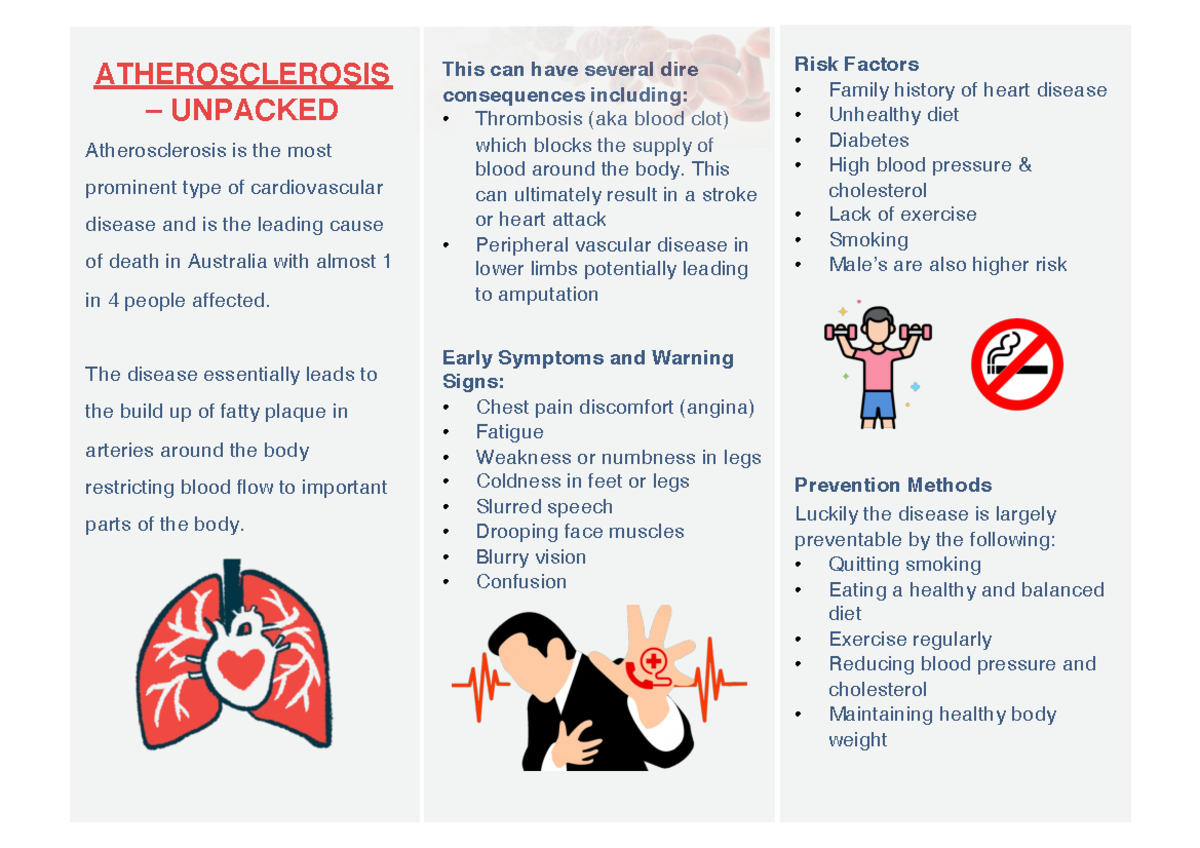
OLET1501 Brochure ATHEROSCLEROSIS UNPACKED Atherosclerosis is the

Health Information Guide HELP Atherosclerosis Pamphlet

Cardiovascular disease brochure ATHEROSCLEROSIS THE ISSUE
atherosclerosis PDF Atherosclerosis Coronary Artery Disease
Cholesterol test brochure template layout. Atherosclerosis prevention
Atherosclerosis PDF Atherosclerosis Atheroma
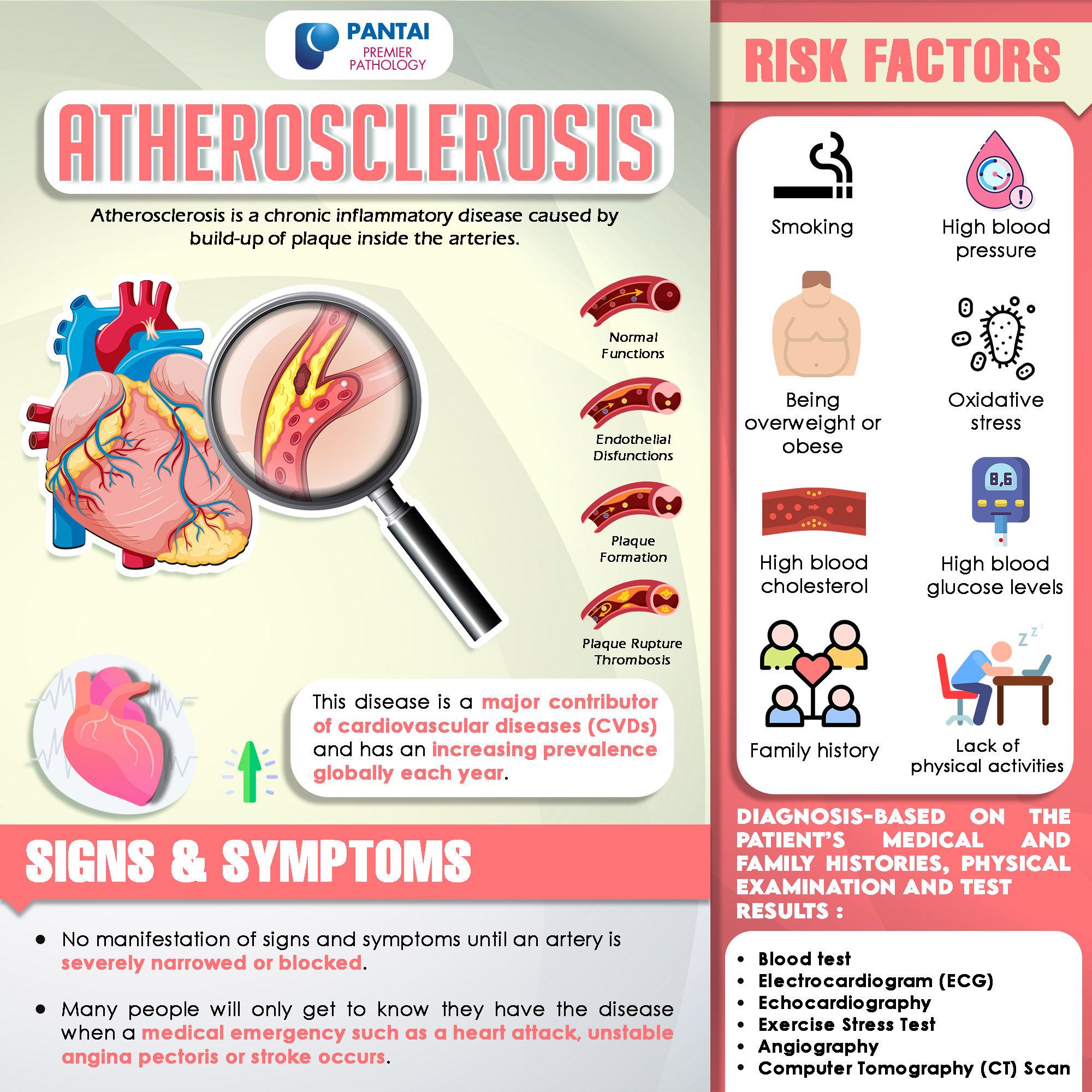
What is Atherosclerosis and how it can contribute to heart disease
This Buildup Makes The Artery Stiffer And Narrower Than Normal And Blocks The Flow Of Blood And Oxygen To The Body.
• Explain Mechanism Of Action Of Pharmacotherapies Used To Reduce Risk Of Atherosclerosis.
Heart Disease Is One Of The Leading Causes Of Death In Canada And Worldwide.
• Review Hypertension Guidelines And Management.
Related Post:


